
The practical decision
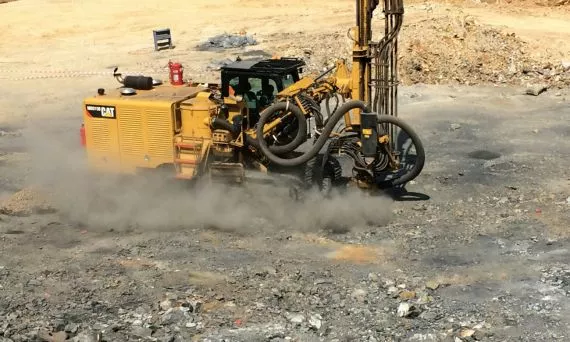
Drilling a home water well is where the quote, the geology, and the permit paperwork all show up at once. Homeowners usually start with one question, can I get my own water source, and end up juggling half a dozen others about depth, yield, water quality, access, and the pump that makes the whole system usable.
The expensive mistake is assuming the hole in the ground is the hard part. It is not. The hard part is getting a well that produces enough water, stays reliable, and does not turn into a maintenance problem the first time summer hits or the pump starts acting tired.
The parts homeowners underestimate
Permits can slow everything down before the rig even arrives. Local rules, setback distances, and site paperwork vary enough that a project can feel ready on paper and still stall while someone checks maps, test results, and property details.
The ground itself is the next surprise. Soft soil drills fast. Granite, basalt, fractured rock, and other ugly formations do not. Hard material burns time, chews through equipment, and pushes the budget higher long before the well reaches the depth you hoped would be enough.
Water quality can also spoil a neat budget. A well may hit water and still bring back iron, sulfur, manganese, sediment, or other headaches that need treatment. That adds filters, tanks, testing, and more installation work than most owners expect when they first start pricing the job.
Access matters too. A rig needs room to work. Tight drives, steep slopes, brush, and awkward terrain can force extra site prep or smaller equipment, both of which cost more than the average homeowner wants to hear after the first estimate.
What a good system gives you
A private well makes sense when the project fits the property and the household demand. The payoff is control over the whole supply chain, from the aquifer to the faucet, not a lifestyle badge. The biggest gains are the practical ones: lower recurring water costs, better outage protection, and fewer surprises when the utility side of the world gets messy.
For water well drilling, the benefits are straightforward:
- No monthly municipal water bill.
- More independence during outages or utility interruptions.
- Better control over water treatment and filtration.
- A system that can be sized around the property instead of a city average.
- Better long-term value when the well is documented, tested, and maintained.
For pump installations, the gains are just as real:
- Steadier pressure for showers, appliances, and irrigation.
- Better energy use when the pump matches the well and the household demand.
- Less wear on the system when the equipment is installed correctly and kept serviceable.
- Faster recovery from demand spikes when the sizing is done right.
- Fewer service calls when the pump, pressure tank, wiring, and maintenance access are set up as a unit.
The real value shows up when pump installations are sized and wired correctly from the start and the pump itself is chosen for durability, repairability, and upkeep, not just the lowest sticker price. A sloppy install can make a good well feel weak, noisy, or unreliable.
https://www.youtube.com/watch?v=xNeuxEui_EE
Why experience matters more than a low quote
A cheap quote can hide a lot of future pain. The lowest number often skips the boring stuff, which is exactly where a well project lives or dies. Site assessment, permitting help, casing choices, pump sizing, and water testing are the details that keep a system from becoming an expensive regret.
That is where a long track record matters. Enloe Drilling and Pumps, Inc. has been at this since 1913, across four generations of well drillers. In a business where local geology and local rules decide so much of the outcome, that kind of history is not decoration. It is practical knowledge built over a century of jobs that probably went sideways before they went right.
Their work in Oregon and California includes residential wells, agricultural and domestic wells, geotechnical drilling, water well testing, and pump installation and repair. That matters because a homeowner does not just need a hole drilled. They need the whole system thought through.
What homeowners need to ask before signing
A quote should answer more than price. Ask what depth is expected, what casing will be used, what kind of pump is proposed, whether testing is included, and who handles permitting. Ask how the company deals with hard rock, low yield, or poor water quality if the first pass comes up short.
A useful rule: if the estimate sounds clean enough to be true, it probably left out something expensive.
Frequently asked questions
How much does it cost to drill a water well?
Costs depend on depth, geology, access, and the equipment needed. In the U.S., many wells land in the low thousands, but deeper or harder projects can run much higher. A site-specific quote is the only number that means anything.
How deep does a water well need to be?
There is no universal depth. Some wells hit usable water relatively shallow, while others need far more drilling. Local water tables, rock layers, and rules all shape the final depth.
How long does it take to drill a water well?
A straightforward project may move quickly, but permits, weather, access, and bad geology can stretch the schedule. What looks like a few days can become longer if the ground fights back.
What type of pump do I need?
That depends on the well depth, the water yield, and how much water the household uses. Deeper wells usually call for submersible pumps, while shallower setups may use jet pumps.
How do I keep the system reliable?
Start with proper construction, correct pump sizing, and regular testing. If water quality changes or pressure drops, do not ignore it. Catching the problem early is cheaper than replacing half the system later.
A map of the work
The practical decision
A home well is infrastructure, not a vanity project. If you want it done cheaply, fast, and without homework, expect trouble. If you want it done once, with proper drilling, testing, and pump setup, look for a team that treats the whole system as one job instead of three disconnected ones.