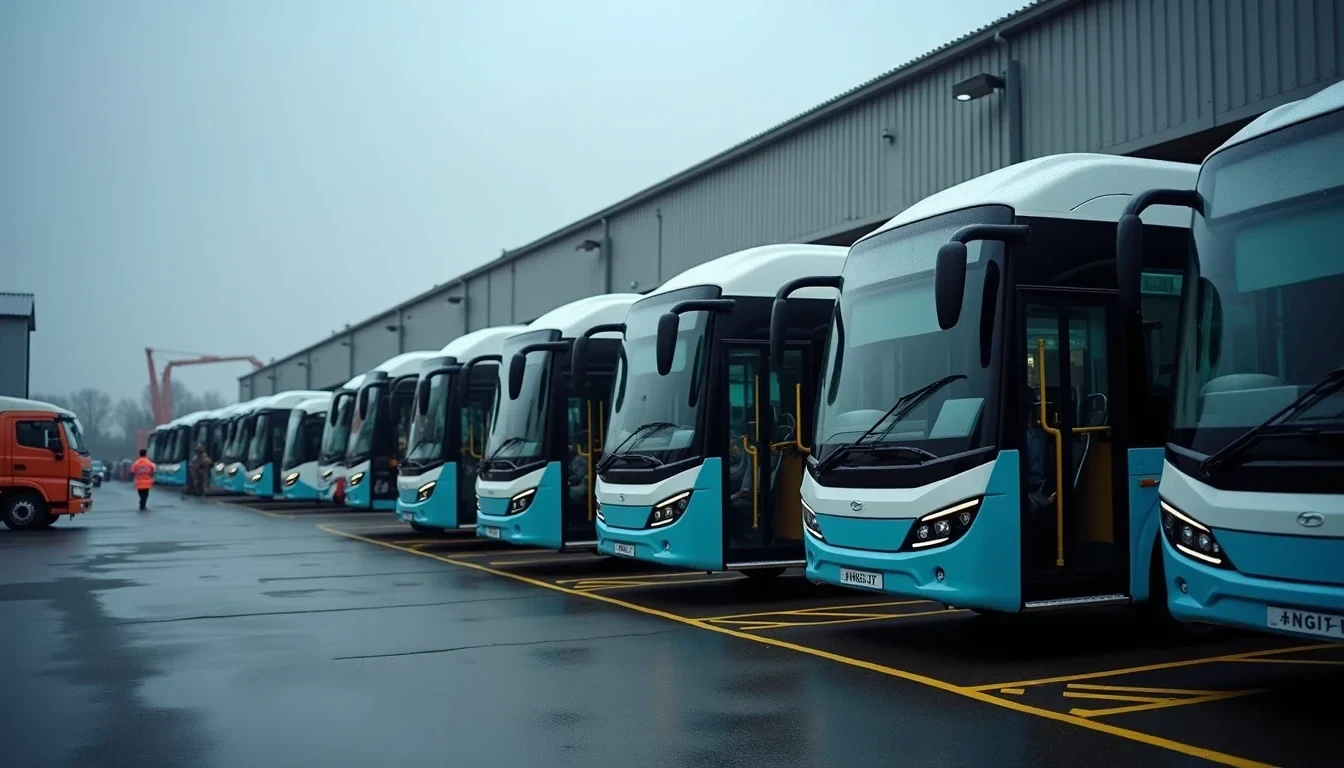
The transition keeps tripping over the same childishly avoidable mistake: governments and developers keep buying the visible thing before they have built the boring thing that lets it work. They announce buses before chargers, solar farms before grid capacity, hydrogen plants before buyers, then act surprised when the project turns into a press release with wheels.
I have little patience for the idea that the energy transition is being held back by some grand technical mystery. The bigger failure is ordinary coordination. This is a project management problem wearing a green badge, and the bill keeps landing on taxpayers, consumers, and investors who were told the system was ready when it plainly was not.
The visible asset arrives first
Ireland offered a neat little illustration in 2023. New electric buses were delivered to service in Dublin and Cork, but a chunk of the fleet sat parked because the depot chargers were not ready. The buses existed. The use case existed. The missing piece was the socket.
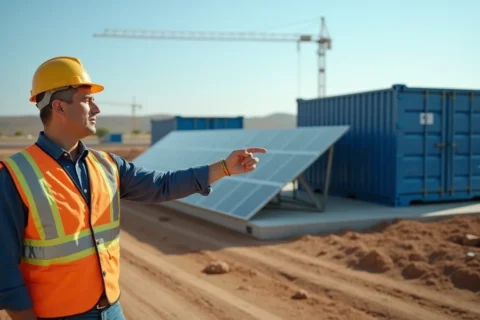
That same logic runs through India, where more than 50 gigawatts of renewable projects were delayed by transmission bottlenecks and unresolved power purchase agreements in 2023, according to CEEW. Solar panels and turbines can be built quickly. Moving their output across the country and selling it on terms that lenders will accept is slower, uglier work. Projects pile up in limbo, and clean power that should be displacing coal sits behind a clogged pipe.
The Netherlands has been living with the same embarrassment. Grid operators there restricted new connections in 2022 and 2023 because the network was too congested to take more solar, industrial load, and even some heat pumps in affected areas. A country can be packed with panels and still behave like it has run out of electricity. The grid is the real machine; the hardware on top is only part of the story.
Why politicians keep getting this wrong
The political temptation is obvious. An electric bus fleet or a solar farm is easy to photograph. A transformer upgrade, a substation, a permit hearing, or a transmission line route map is not. One gets a ribbon cutting; the other gets a committee.
This incentive influences decisions more than people admit. Election cycles are short, public money is often carved into neat silos, and the funding stream for the shiny asset is usually easier to access than the funding stream for the system around it. It is simpler to subsidise vehicles or generation than to do the slower work of planning the network, the contracts, the market rules, and the operating software that let those assets earn their keep.
I also think too many energy plans are still written as if the grid will somehow catch up on instinct. It will not. Transmission lines take years. Permitting takes years. Public opposition can take less than a week. The sequence is upside down when a government announces a fleet or a plant first and asks the infrastructure to improvise later.
Hydrogen proves the point brutally
Australia’s Whyalla green hydrogen project is the cleanest example of the problem because the failure was so plain. Fortescue Future Industries abandoned the A$1 billion project in South Australia in 2023 after substantial public support had already been committed. The issue was not that hydrogen had ceased to exist. The project never secured enough long-term buyers for the output.
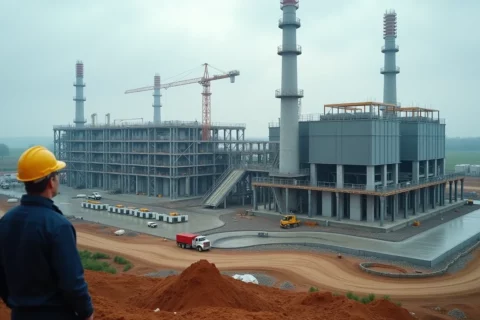
That is the sequence. A hydrogen plant is a factory plus an offtaker, meaning a customer locked in by contract before the money is spent. Without that buyer, the plant is a very expensive way of demonstrating that chemistry still works.
This is where the transition gets strategically sloppy. Governments like the symbolism of production capacity. They like the industrial theatre of steel, pipes, and electrolyser stacks. A plant without a buyer is a bet on future enthusiasm. If that enthusiasm fails to show up, taxpayers are left financing a monument to bad sequencing.
The grid is the real battlefield
California shows the other side of the same error. In 2022, the state curtailed more than 1.3 million MWh of renewable electricity, mostly solar, because the grid could not absorb all of it. That is not a failure of sunlight. It is a failure of storage, transmission, and timing.
Curtailed power is one of the great insults of the transition. You already paid to build the generation. You already accepted the land use fights and the planning hearings. Then the grid shrugs and throws the output away because the system was not upgraded in parallel. The result is wasted clean energy. It also signals to developers and financiers that the rules of the game are still being made up after kickoff.
The strategic consequence is bigger than the engineering headache. Every bottleneck slows capital, and every delay strengthens the incumbent system by default. Coal, gas, and oil do not need to win a beauty contest if clean projects are busy waiting for wires, permits, or contracts.
The fix is not glamorous
The answer is to stop pretending asset deployment and system readiness are separable problems. They are one project. A bus fleet needs chargers before delivery. A solar farm needs a grid connection before construction. A hydrogen plant needs a buyer before the grand opening ceremony.
That means integrated planning, not separate ministry silos that each congratulate themselves for doing half a job. It means treating transmission and distribution as core infrastructure, not background plumbing. It means writing public support around the whole chain, not just the visible piece that looks good in a ministerial photo.
The transition will keep failing in the same boring way until someone takes sequencing seriously. The hard part is not inventing better technology. It is building the discipline to connect the thing, contract the thing, permit the thing, and only then celebrate the thing.